Decoding the Nighthawks Image: Exploring Hopper's Masterpiece
Discover the artistic depth and cultural impact of the iconic Nighthawks image. Dive into our analysis of Hopper's masterpiece and its gaming influence.
Published:
Table of Contents
Art lovers and culture enthusiasts have long been captivated by Edward Hopper's 1942 masterpiece, a painting that defines urban isolation and silent beauty. When you search for the nighthawks image, you are not just looking at a canvas; you are peering into the soul of the 20th-century American experience.
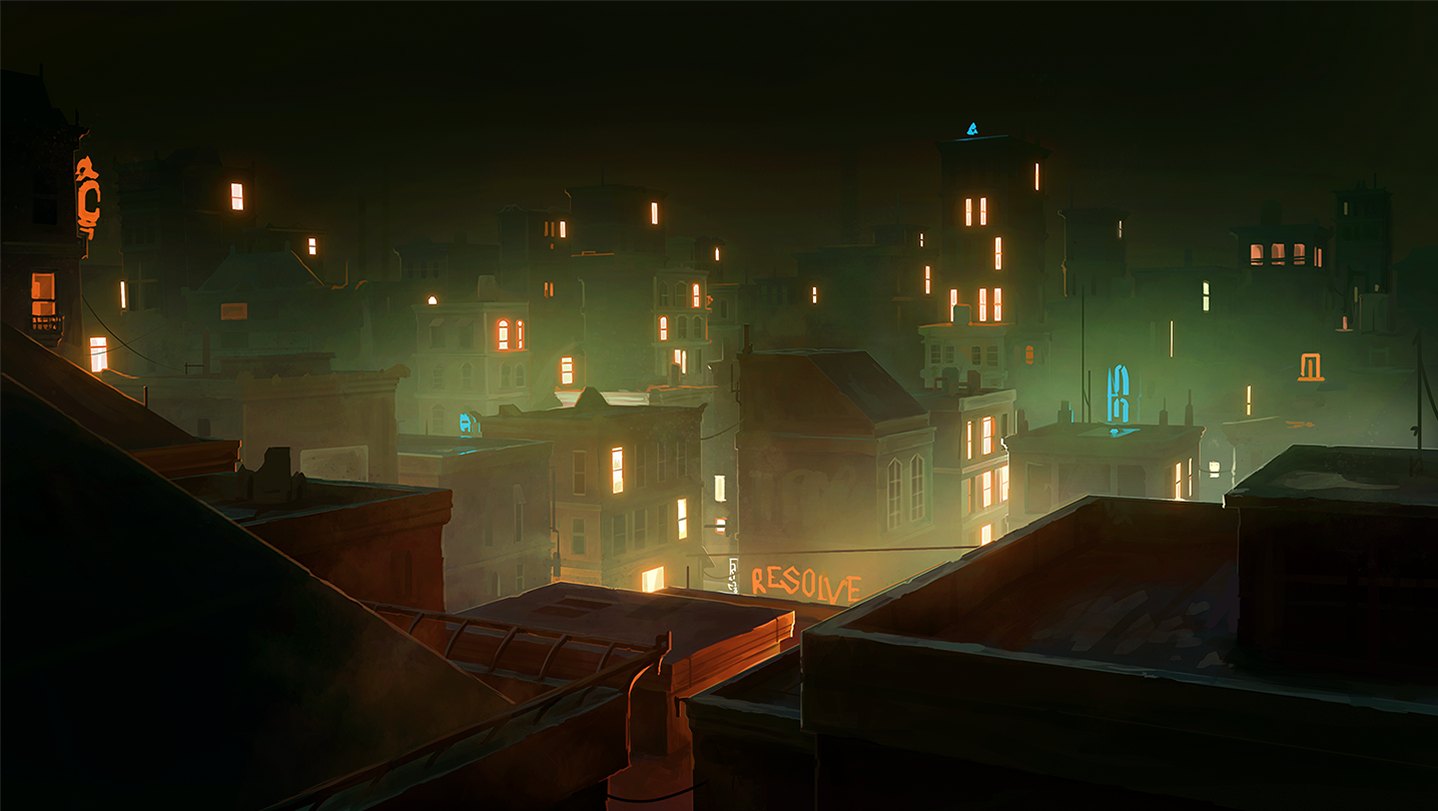
Understanding the nighthawks image is essential for anyone who appreciates the intersection of visual art, storytelling, and atmospheric design. This guide explores why this work remains a cultural touchstone and how its visual language continues to influence modern creative media, including the game Nighthawks, developed by The Curiosity Engine.
The Compositional Brilliance of the Nighthawks Image
At first glance, the nighthawks image presents a simple scene: a late-night diner, a few patrons, and the haunting glow of artificial light spilling onto an empty city street. However, Hopper’s technical precision is what makes the work timeless.
Hopper meticulously planned the geometry of the scene. The vanishing point draws the viewer's eye along the elongated facade, while the sharp, geometric light of the interior creates a stark contrast with the darkness of the exterior.
Key Technical Elements of the Painting
Element
Artistic Function
Artificial Light
Defines the "island" of the diner in a sea of darkness.
Glass Wall
Acts as a silent barrier separating the viewer from the subjects.
Perspective Lines
Create a sense of clinical, meticulous urban order.
Subject Placement
The figures are positioned to suggest intimacy yet profound solitude.
By analyzing these elements, we can see why this nighthawks image resonates with both art critics and gamers alike. The "impossible resolution" described by historians reflects the feeling of being an observer in a digital narrative.
Silence and Solitude: The Narrative Depth
The power of the nighthawks image lies in its open-ended narrative. Who are these people? Why are they sitting so close yet so far apart? Hopper himself famously noted that he didn't intend to paint "loneliness," but that it was likely an unconscious reflection of the city's spirit.
Analyzing the Human Element
The Couple: Their hands almost touch, symbolizing a connection that never quite completes.
The Counter Man: He is the only source of movement, yet he remains trapped in his own routine.
The Solitary Figure: Often read as the archetypal urban stranger, adding a layer of mystery.
According to community observations, the lack of a visible door into the diner is a deliberate choice by Hopper. It prevents us from "entering" the scene, reinforcing our role as voyeurs. This is a common trope in modern game design, where environmental storytelling—the art of telling a story without words—takes center stage.
Artistic Observation
When studying the nighthawks image, focus on the color palette. The contrast between the jaded green tiles and the warm yellow interior creates a psychological tension that highlights the coldness of the world outside.
The Cultural Legacy and Modern Interpretations
It is rare for an oil painting to hold as much weight in pop culture as the nighthawks image. From parodies in The Simpsons to the visual influence on the film Blade Runner, the painting has been reimagined hundreds of times.
Notable Parodies and References
Media Type
Notable Example
Film
Blade Runner (Future Noir aesthetic)
Television
The Simpsons (Homer vs. The Eighteenth Amendment)
Literature
The Dictionary of Obscure Sorrows
Games
Nighthawks (The Curiosity Engine)
The game Nighthawks shares this spirit of isolation and deep narrative investigation. Like the painting, the game invites players to navigate a world that feels both welcoming and untouchable. For players looking to understand the tone of the game, looking back at the original artwork provides a crucial foundation.
Environmental Storytelling: A Design Perspective
How do developers use the principles found in the nighthawks image to create immersive experiences?
Framing the View: Just as Hopper used the diner window, games often use camera angles to distance the player from the action, creating a sense of curiosity.
Managing Light: Artificial, fluorescent lighting is a staple of noir-inspired gaming. It suggests a sterile, uncomfortable reality.
The "Empty" Street: A deserted street tells a story of a time, a place, and a mood without requiring a single line of dialogue.
Developers often cite this painting when explaining how to make a setting feel alive yet lonely. If you are an aspiring designer, studying the balance between the light in the diner and the dark street outside is the perfect exercise in effective visual communication.
Frequently Asked Questions (FAQ)
Q: Why is the Nighthawks image so famous?
A: It is widely considered the most iconic representation of urban isolation in American art, capturing a universal human emotion through brilliant lighting and composition.
Q: Where can I see the original painting?
A: The painting is part of the permanent collection at the Art Institute of Chicago, where it has been housed since its purchase in 1942.
Q: How did the artist choose the title?
A: Edward Hopper’s wife, Josephine, noted that the title was inspired by the beaked nose of one of the men in the painting and the overall night-owl atmosphere.
Q: Does the game "Nighthawks" relate to the painting?
A: Yes, the game Nighthawks by The Curiosity Engine draws significant thematic inspiration from the atmosphere of mystery and solitude found in the original nighthawks image.