Exploring the Iconic Nighthawks Style in Gaming and Art
Discover how the Nighthawks style defines the atmosphere of modern urban RPGs. Explore Edward Hopper’s influence on game design, cinema, and visual storytelling.
Published:
Table of Contents
The concept of the nighthawks style is more than just a visual aesthetic; it is a profound exploration of urban isolation, late-night melancholy, and the voyeuristic nature of modern life. Originating from Edward Hopper’s 1942 masterpiece, this specific nighthawks style has transcended the canvas to influence everything from gritty 1980s thrillers to contemporary role-playing games like Nighthawks by The Curiosity Engine. For players and creators alike, understanding this style is essential for capturing the "loneliness of a large city" that Hopper so famously described. Whether you are navigating the rain-slicked streets of a digital New York or analyzing the lighting of a noir film, the hallmarks of this aesthetic remain remarkably consistent and emotionally resonant.
Quick Answer
The "Nighthawks style" refers to a specific blend of urban realism, dramatic lighting, and themes of social alienation. In gaming, particularly in the title Nighthawks (The Curiosity Engine), it manifests through high-contrast environments, voyeuristic camera angles, and a narrative focus on characters who are physically close but psychologically distant.
The Artistic Foundations of Nighthawks Style
To understand the nighthawks style, one must first look at the work of Edward Hopper. His 1942 painting, Nighthawks, depicts four figures in a downtown diner late at night, viewed through a large glass window. The painting is a cornerstone of American Realism, but its influence on game design and cinema goes much deeper than simple representation.
Hopper’s work is defined by what he called the "unconscious painting of the loneliness of a large city." This isn't just about being alone; it's about the specific kind of isolation that occurs when you are surrounded by people but remain profoundly disconnected. In the painting, no one meets each other's gaze. The waiter stares blankly, the couple sits side-by-side without touching, and a solitary man has his back turned to the viewer. This lack of interaction is a primary pillar of the nighthawks style.
Key Visual Elements of the Aesthetic
The visual language of this style is built on architectural precision and dramatic light. According to community reports and art historians, the following elements are crucial for replicating the look:
Element
Description
Impact on the Viewer
Diagonal Composition
Strong lines that draw the eye inward toward a central, lit hub.
Creates a sense of movement and focus in a static scene.
Glass Barriers
Large windows that separate the subjects from the outside world.
Enhances the voyeuristic "outsider looking in" feeling.
Artificial Lighting
Harsh neon or fluorescent glows contrasting with deep shadows.
Highlights the artificiality and coldness of the urban environment.
Absence of Doors
The diner in the painting famously has no visible entrance or exit.
Creates a hermetically sealed, claustrophobic atmosphere.
From Canvas to the Digital Streets: The Game "Nighthawks"
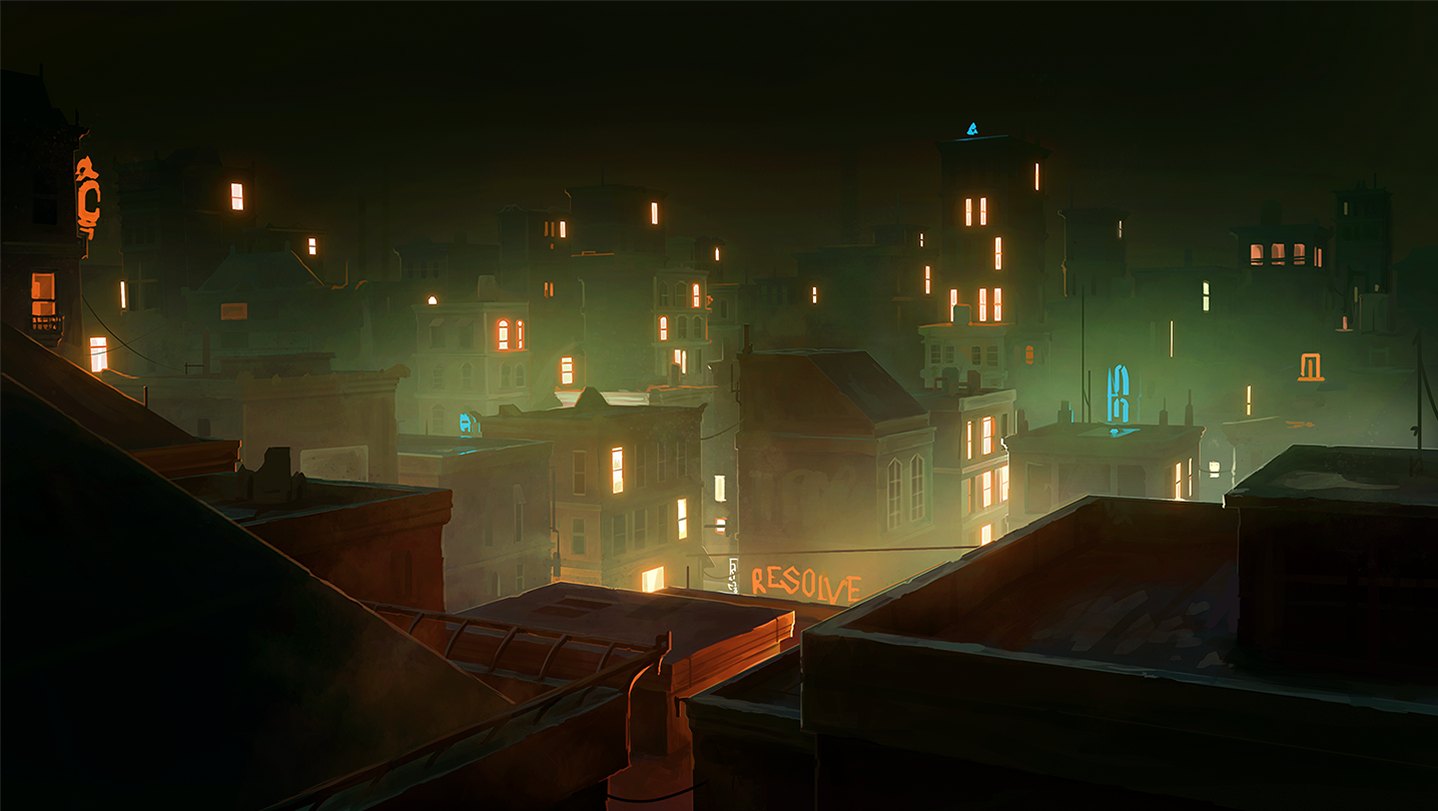
The game Nighthawks, developed by The Curiosity Engine, takes these artistic principles and applies them to a modern vampire RPG. In this world, the nighthawks style serves as the perfect backdrop for a story about creatures who exist on the fringes of society. As a vampire in a city that never sleeps, the player experiences the same "disconnected" reality that Hopper’s subjects endured.
In the game, the environment is just as much a character as the NPCs. The developers utilize the official Nighthawks Steam page to showcase how they have translated Hopper’s oil-on-canvas textures into a digital medium. The game focuses on the "future noir" aesthetic, blending the classic 1940s loneliness with a sharp, modern edge.
Why the Style Works for RPGs
Players often report that the nighthawks style enhances the role-playing experience by grounding the supernatural in a relatable, albeit bleak, reality. By using high-contrast lighting and urban decay, the game forces players to confront the isolation of their character's existence.
Atmospheric Immersion: The use of "dead space" in levels mirrors Hopper's deserted streetscapes.
Narrative Weight: Dialogue often reflects the ambiguity of relationships seen in the original painting.
Visual Storytelling: Like Hopper’s work, the game leaves much to the imagination, requiring the player to engage with the environment to find meaning.
Cinematic Parallels: The 1981 Film and Beyond
The influence of the nighthawks style is perhaps most visible in the 1981 thriller Nighthawks, starring Sylvester Stallone and Rutger Hauer. While the film is a gritty police procedural, its atmosphere is heavily indebted to the aesthetic of urban paranoia and neon-lit decay.
Community members often compare the film’s portrayal of New York City to the environments found in the Nighthawks game. The film captures a "transitional" New York—pre-gentrified, decaying, and dangerous. The contrast between Stallone’s bruised, blue-collar grit and Hauer’s icy, aristocratic detachment mirrors the psychological distance found in Hopper’s diner.
Comparison of Media Influences
Media Type
Key Influence
Primary Aesthetic Theme
Painting (1942)
Edward Hopper
American Realism & Social Alienation
Film (1981)
Bruce Malmuth
Gritty Urban Thriller & Neon Noir
Game (Curiosity Engine)
The Curiosity Engine
Vampire RPG & Modern Loneliness
Cinema (Blade Runner)
Ridley Scott
Future Noir & Industrial Decay
Capturing the Vibe
If you are a digital artist or game developer looking to replicate the nighthawks style, focus on the "spill" of light. In Hopper's work, the light from the diner illuminates the sidewalk but doesn't make it feel safe. Use cool greens and warm yellows to create a sense of unease.
Technical Breakdown: Lighting and Composition
For those interested in the technical side of the nighthawks style, we can look at the "Josephine Hopper notes" for specific clues. Hopper’s wife, Jo, kept detailed journals of his work, noting the specific pigments and themes he used. She described the "bright items" like the cherry wood counter and the "brilliant streak of jade green tiles" that define the diner's interior.
Color Palette Guide for Nighthawks Style
To achieve this look in modern media, consider the following palette:
Color Component
Hex Code (Approx)
Usage Case
Jade Green
#00A36C
Exterior window base and street reflections.
Cherry Wood
#630330
Interior furniture and warm focal points.
Dull Yellow Ocre
#CC7722
Interior walls and kitchen doors.
Steel Grey
#71797E
Clothing of the "sinister" or isolated figures.
Neon White
#F5F5F5
Harsh overhead lighting and highlights.
The Role of the "Voyeur"
A critical component of the nighthawks style is the perspective. The viewer is almost always an outsider. In the game Nighthawks, this is achieved through framing—characters are often seen through windows or from across a street, emphasizing their separation from the world around them. This "voyeuristic barrier" is what makes the scenes feel so private and yet so exposed.
Common Mistakes When Replicating the Style
Many creators attempt to achieve the nighthawks style by simply making everything dark, but this misses the point. The style is about the contrast between light and dark, not just the absence of light.
Avoid Over-Saturation
One of the most common errors is using too many vibrant colors. The original style relies on "dull" tones that are punctuated by single, brilliant streaks of light. If every neon sign is glowing at maximum intensity, you lose the sense of isolation and enter the realm of "Cyberpunk," which is a distinct, though related, aesthetic.
Steps to Implement "Nighthawks" Lighting in Game Engines
Define the Primary Source: Place one extremely bright interior light source (like a diner or a shop window).
Calculate the Falloff: The light should hit the immediate exterior pavement and then fade rapidly into deep, "inky" shadows.
Use Geometric Shadows: Keep shadows sharp and architectural. Avoid soft, diffused shadows that blur the lines of the environment.
Desaturate the Exterior: Keep the outside world in muted greens and grays to make the interior "pop" without feeling inviting.
Community Insights and Player Experiences
Based on "player experience" reports from the Nighthawks community, the game’s success lies in its ability to make the player feel like one of Hopper’s figures. One player noted, "Walking through the city in the game feels like being in a living painting. You see people through windows, you hear the hum of the city, but you are always just a spectator to their lives."
This sentiment is echoed in reviews of the 1981 film as well. The score by Keith Emerson, which swaps traditional orchestral music for aggressive synthesizers, helps root the experience in a specific time and place. In the game, the sound design often mimics this, using ambient city noises to fill the silence, which paradoxically makes the world feel even emptier.
Ranking the "Loneliness Factor" in Media
How well do different interpretations of the nighthawks style capture the core theme of isolation?
Media
Loneliness Rating (1-10)
Reason
Hopper's Original Painting
10
The absolute lack of exits and eye contact is haunting.
Nighthawks (The Game)
9
Being a vampire adds a literal layer of "otherness" to the city.
Blade Runner (1982)
8
The "future noir" look is perfect, but the scale is sometimes too grand.
Nighthawks (1981 Film)
7
The action beats sometimes overshadow the quiet, lonely moments.
The Future of the Aesthetic
As technology evolves, the ability to render the nighthawks style becomes even more sophisticated. Ray-tracing technology allows for the realistic light bounces and reflections that Hopper could only suggest with oil paint. We are seeing a resurgence of this style in "cozy noir" games and narrative-driven RPGs where the environment tells a story that the characters are too tired or too lonely to speak aloud.
The Curiosity Engine’s Nighthawks remains a gold standard for this transition. By focusing on the "beak-nosed" man at the counter (a detail noted in Jo Hopper’s journals), the game pays direct homage to its roots while carving out a new space in digital storytelling. It reminds us that no matter how much the world changes, the feeling of sitting in a well-lit place in a dark city is a universal human experience.
FAQ: Understanding the Nighthawks Aesthetic
What exactly defines the nighthawks style in modern media?
The nighthawks style is defined by three main pillars: high-contrast artificial lighting, architectural voyeurism (viewing subjects through glass or barriers), and a thematic focus on urban isolation. It often uses a specific color palette of jade greens, deep reds, and harsh yellows to create a sense of late-night melancholy.
Is the game Nighthawks based on the 1981 film or the painting?
The game Nighthawks by The Curiosity Engine is primarily influenced by the atmosphere and aesthetic of Edward Hopper's 1942 painting. While it shares a name and some "gritty city" vibes with the 1981 Sylvester Stallone film, its narrative and visual design are more closely aligned with the themes of social alienation and "future noir" found in the original artwork.
Why is there no door in the original Nighthawks diner?
Art historians and fans of the nighthawks style have long debated this. The lack of a visible door in the painting is believed to be a deliberate choice by Hopper to enhance the feeling of being "trapped" or hermetically sealed within the space. It adds to the psychological weight of the isolation, suggesting that while the diner is a refuge, there is no easy way to reconnect with the outside world.
How can I experience the nighthawks style in gaming today?
The best way to experience this style is by playing Nighthawks on Steam, which was specifically designed to evoke this aesthetic. Other games that touch on these themes include Blade Runner (1997) and various indie "noir" titles that prioritize atmosphere and lighting over high-octane action. You can find more information on the official Nighthawks Steam store page.